
Schedule Washmart Doorstep Pickup & Save Time
German-grade cleaning, free home pickup & express delivery across 125+ cities.
Understand how care labels, fabric, construction, stains and decorative details influence the right cleaning method.
When do clothes need dry cleaning? Start with the garment’s care label, then consider its fabric, lining, structure, dyes, embellishments and condition. A tailored jacket and a casual shirt may require different treatment even when their outer fabric contains the same fibre.
Price alone does not determine the cleaning method. Neither does a garment looking delicate. Some clothes can be washed according to their labels, while others need professional dry cleaning or a different specialist process.
The aim is to choose care that cleans the whole garment while protecting its shape and appearance.
1. What Does the Garment’s Care Label Say?
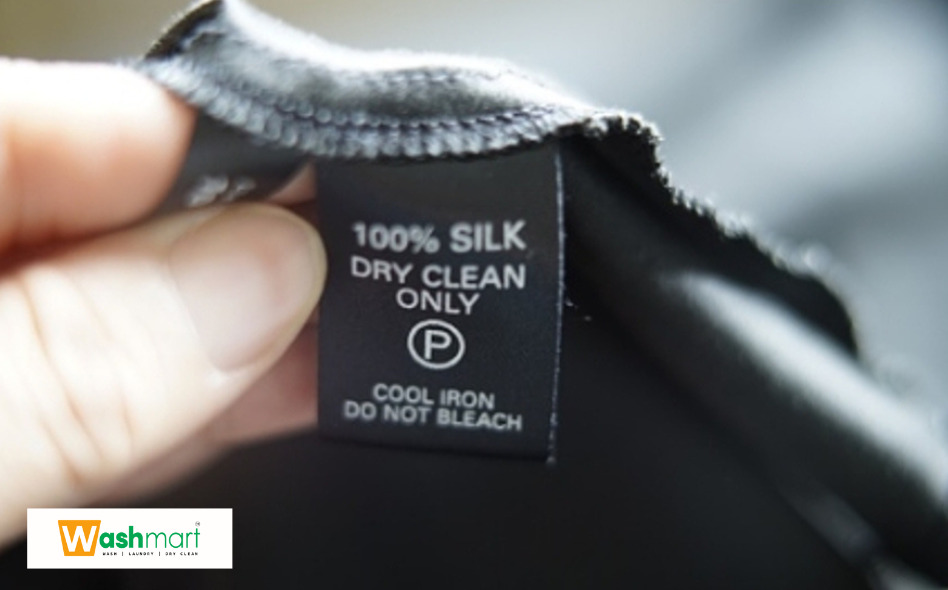
The care label is your starting point. Read the complete instructions, including restrictions on washing, drying, ironing and professional cleaning.
Label instruction | What it means for your next step |
|---|---|
Dry clean only | Arrange professional cleaning rather than experimenting with home washing |
Dry clean | Follow the specified instructions; ask before choosing an alternative |
Do not dry clean | Do not select dry cleaning as a default |
Hand wash | Follow the stated washing and drying conditions |
Machine wash | Use the specified temperature, cycle and drying method |
Spot clean only | Seek advice about localised treatment rather than cleaning the entire garment |
“Spot clean only” is particularly important for occasion wear. It does not mean the garment can safely undergo a normal full cleaning cycle.
The Drycleaning & Laundry Institute’s care-label guide explains these distinctions and recommends discussing alternative treatment with a professional. Dry Cleaning and Laundry Institute International
Photograph the label before it fades, and keep any additional care instructions supplied by the designer or retailer.
2. Does the Fabric Require Special Care?
Fabric composition matters, but it does not provide the complete answer.
Avoid blanket rules such as “all silk must be dry cleaned” or “all cotton can be machine washed”. The finished garment may contain dyes, linings or decorative components that change its requirements.
For example, a simple washable top and a structured occasion-wear blouse should not automatically receive the same treatment because both contain cotton.
When requesting advice, share:
The fibre information on the label.
The garment type.
Whether it contains more than one fabric.
Any washing or drying restrictions.
Previous cleaning problems.
Treat the fabric name as useful information for assessment, rather than permission to choose a method yourself.
3. How Do Linings and Garment Construction Affect Cleaning?
Look beyond the outer surface.
A blazer, sherwani or formal dress may contain lining, padding, interfacing, pleats and shaped sections. The cleaning decision must account for these components together.
The Drycleaning Institute of Australia identifies fibre composition, construction, dyes, soil and trims as factors in choosing between water-based and solvent-based cleaning. drycleanersweb.com.au
Ask the cleaner about the complete garment, especially when it has:
A structured chest or shoulder area.
Multiple layers.
A fitted lining.
Decorative panels.
Alterations or replacement components.
Mention recent tailoring work. Added trim or a replacement lining may not be covered by the garment’s original care instructions.
4. What Type of Stain Is on the Clothes?
A stain can create a need for professional assessment without necessarily making dry cleaning the correct method.
Tell the cleaner what happened rather than requesting a particular chemical or process. Useful information includes the source of the mark, its age and anything already applied.
For example:
“Cooking oil splashed on this kurta yesterday. I blotted it with a cloth but have not washed or ironed it.”
This gives the cleaner a clearer starting point than “Please remove this stain”.
For background on assessment and treatment, read Washmart’s guide to how laundry services remove tough stains.
A cleaning service should explain likely results. Complete removal cannot be promised for every mark, particularly where the fabric has already changed colour or suffered damage.
5. Do Beads, Sequins or Embroidery Need Separate Assessment?
Decorations can determine how an otherwise straightforward garment should be cleaned.
A suitable process for the main fabric may be unsuitable for an attached component. The Drycleaning & Laundry Institute notes, for example, that some beads can be damaged by dry-cleaning solvent. dlionline.org
Before handing over an embellished garment, point out:
Loose embroidery or missing decorations.
Glued attachments.
Detachable accessories.
Decorative buttons.
Contrasting trims.
Any spare fabric or components supplied by the designer.
Ask whether testing, removal of detachable pieces or repairs are needed before treatment. Do not assume dry cleaning is automatically safe because the outfit is heavily decorated.
6. Are the Colours and Finishes Suitable for the Proposed Method?
Colour and surface finish are also part of the assessment.
If a garment has previously transferred colour, developed water marks or changed appearance after cleaning, tell the provider before the next treatment.
A professional may assess colourfastness and decorative components when care information is missing. Such testing can inform the decision, but it does not eliminate every risk. drycleanersweb.com.au
For a coordinated outfit, take all relevant pieces when asking for advice. Explain whether the items have been cleaned separately before and whether their colours already differ.
7. How Dirty Is the Garment, and How Has It Been Worn?
The need for cleaning and the choice of cleaning method are separate questions.
Visible soil, spills, perspiration and repeated wear may indicate that cleaning is due. The label and garment assessment then help determine how it should be done.
There is no universal rule that every suit or occasion-wear outfit needs dry cleaning after exactly the same number of wears.
Consider:
How long you wore it.
Whether it was worn next to the skin.
The conditions in which it was used.
Any visible marks or lingering odour.
Whether you intend to store it.
Do not use fragrance as a substitute for addressing soiling. If a garment looks clean but you are unsure about its condition, describe its use to the cleaner.
8. Is the Garment Old, Fragile or Sentimentally Valuable?
An inherited saree, vintage dress or treasured jacket deserves a careful discussion before treatment.
Age, existing damage and previous repairs can affect what is practical. Tell the specialist whether your priority is wearing the garment again or preserving it as a keepsake.
For older wedding garments, the Victoria and Albert Museum explains that stains may be difficult to remove and that treatment must be weighed against the fabric’s condition. Fragile heirlooms may need a textile conservator rather than routine cleaning. www.vam.ac.uk
Sentimental value does not make dry cleaning the automatic answer. It makes assessment and realistic expectations more important.
Dry Cleaning vs Washing: How Do You Choose?
Use the garment’s instructions and condition to guide the decision.
Situation | Practical next step |
|---|---|
Clearly labelled washable everyday clothing | Follow the washing and drying instructions |
Dry-clean-only clothing | Arrange professional assessment and appropriate cleaning |
Missing or unreadable care label | Ask the retailer or a professional cleaner |
Unfamiliar stain on a delicate garment | Discuss the stain before applying a treatment |
Heavy embellishment or complex construction | Request assessment of the complete garment |
Damaged, fragile or inherited clothing | Discuss specialist care and treatment limits |
Clean clothing with wrinkles only | Ask whether suitable pressing is sufficient |
Professional care does not always mean dry cleaning. Depending on the item, the recommendation may be laundry, specialist wet cleaning, localised treatment or finishing.
For suitable washable garments, explore Washmart’s laundry services. For items requiring assessment for solvent-based cleaning, review its dry cleaning services.
What Should You Tell Your Dry Cleaner?
Prepare a short care history when handing over an unfamiliar or valuable garment.
Show the care label and any designer instructions.
Identify stains and explain their likely cause.
Disclose previous home treatments.
Point out existing tears, loose trims or damaged fasteners.
Mention alterations and earlier cleaning problems.
Explain when you need the item back.
Ask about the proposed method, quote and expected result.
For a multi-piece outfit, record each piece separately. Agree on any additional treatment before it is carried out.
This conversation helps avoid misunderstandings about what the service includes.
How Can Washmart Help You Choose the Right Service?
Washmart’s published dry-cleaning process includes garment inspection, pretreatment, cleaning, quality checks and packaging. The appropriate service still depends on the item presented. washmart.in
If you are unsure whether your clothes need dry cleaning, share a photograph of the garment and care label when making an enquiry. A physical inspection may still be needed before treatment is confirmed.
Contact Washmart to discuss the garment, local service availability and a quotation. Explain any stains or special instructions before booking.
Frequently Asked Questions
Got questions? Here are common queries and expert answers about this guide.
How do I know if my clothes need dry cleaning?
Read the care label first. If instructions are missing or the garment has complex construction, delicate decorations or an unfamiliar stain, request professional assessment.
Do all expensive clothes need dry cleaning?
No. Price does not determine the cleaning method. The garment’s materials, construction and care instructions matter.
Can I wash dry-clean-only clothes at home?
Follow the label rather than experimenting. If you want an alternative, discuss it with a professional who can assess the item and explain any risks.
Does every silk garment need dry cleaning?
No universal rule applies to every silk garment. Follow the instructions for the finished item, including its lining, dyes and decorations.
Do woollen clothes always need dry cleaning?
No. Some woollen garments have washing instructions. Use the care method specified for that item.
Can washable clothes be professionally cleaned?
Yes. A professional service can handle suitable washable items. This does not necessarily mean they should be dry cleaned.
Does a difficult stain mean dry cleaning is necessary?
Not automatically. The stain and garment need assessment together before selecting treatment.
Can sequins and beads go through dry cleaning?
Some can, while others may be affected by the process. Ask for assessment of the decorations as well as the fabric.
What if the care label is missing?
Look for information from the retailer or designer and seek professional advice. Share the garment’s cleaning history and any known material details.
Should I dry clean a suit after every wear?
There is no fixed rule for every suit. Consider its care label, condition, duration of wear and any soil or odour.
Are leather and suede cleaned like ordinary clothing?
No. They require specialist procedures. Confirm that the provider accepts the material and can assess its condition.
Does dry cleaning repair faded or damaged clothes?
Cleaning does not automatically repair tears, restore lost colour or replace damaged decorations. Discuss repairs and restoration separately from cleaning.
